Goals

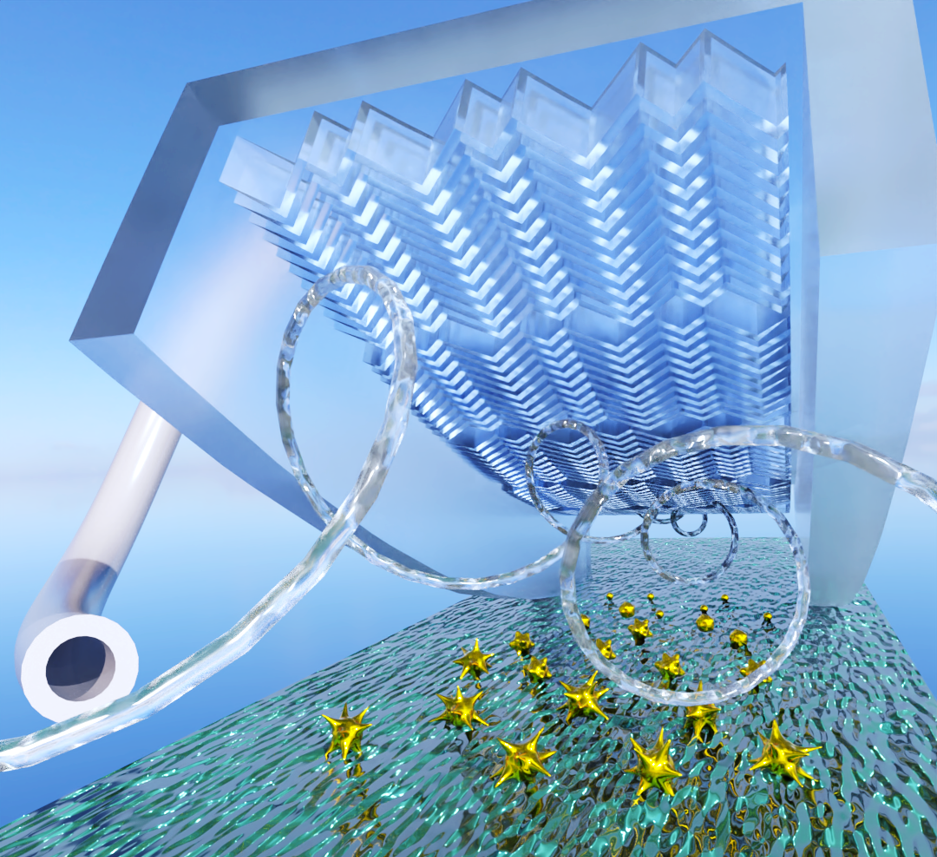
My independent research seeks to develop direct and reliable fabrication methods for hybrid nano-bio materials, primarily exploring and advancing in situ approaches, whereby nanostructures are formed directly on or near the substrate of interest. This work finds applications in in vitro cellular models, chemical and biological sensors, and more.

In situ synthesis on oxides and in microfluidics

My goal is to grow nanomaterials with well-controlled sizes, geometries, and compositions directly on rigid substrates and on the internal walls of microchannels without any colloidal, self-assembly, or costly top-down lithographic fabrication steps. To do so, the effect of reagent delivery to the substrates is studied and the chemical environment during nanoparticle nucleation and growth is systematically tuned. Additionally, we exploit scalable and inexpensive nanofabrication to control nanoparticle position.

Relevant publications:

Microfluidics Research
Hydrogel Research

In situ synthesis on biopolymers

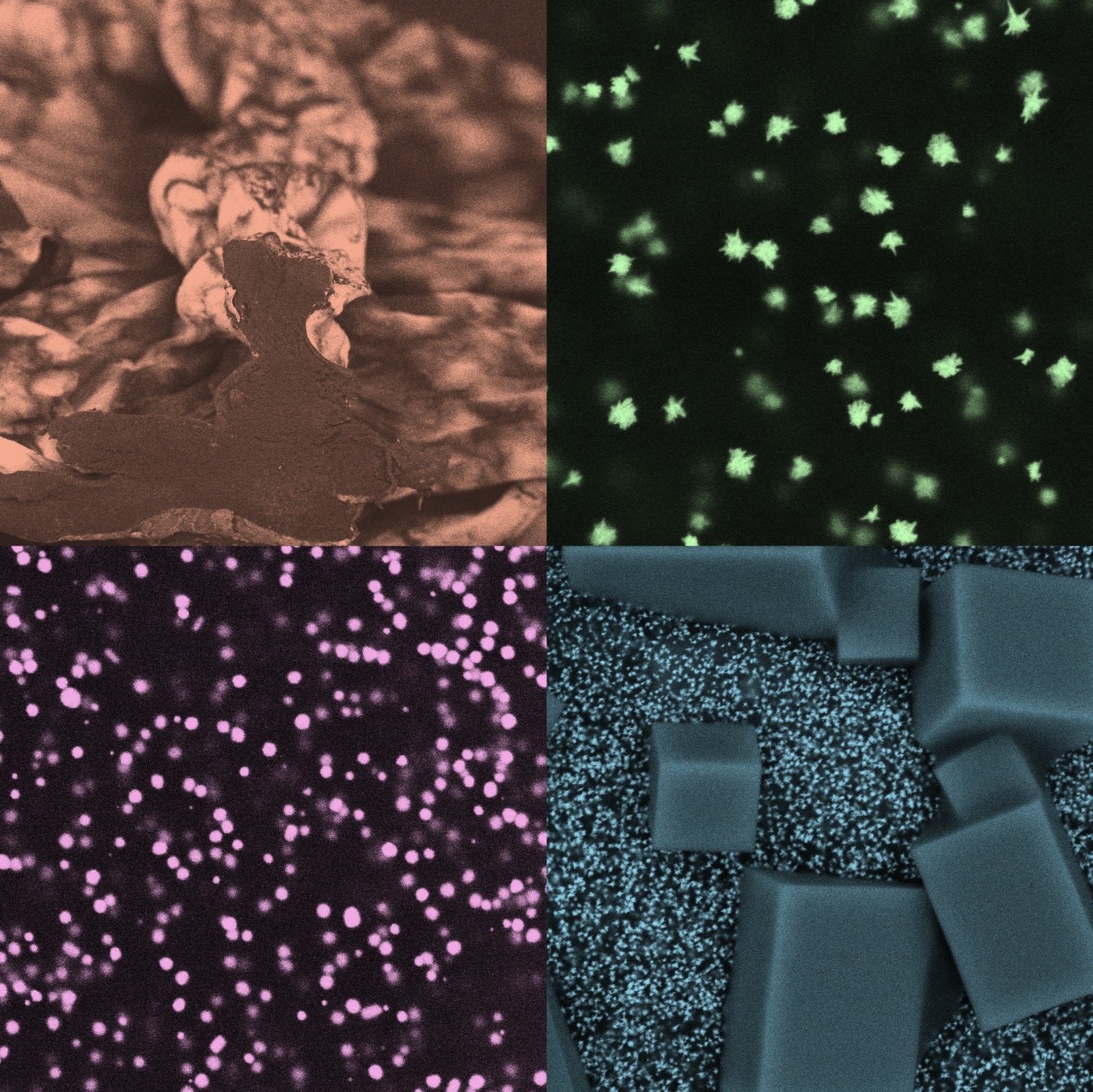
Hydrogels and other biopolymers are central to the fabrication and design of 3D in vitro models for diseases like cancer and neurodegenerative disorders. Within these systems, nanoparticles can function as (1) imaging agents, (2) local sensors, and can (3) stimulate cells with heat, electric and magnetic fields to induce pathogenic behaviors. In situ growth permits direct fabrication of biopolymers with nanomaterials, including in biocompatible conditions that cannot be applied in traditional synthesis routes.

Relevant publications:

Plasmonic Nanoparticles Research

Plasmonic nanoparticles in cellular models in vitro

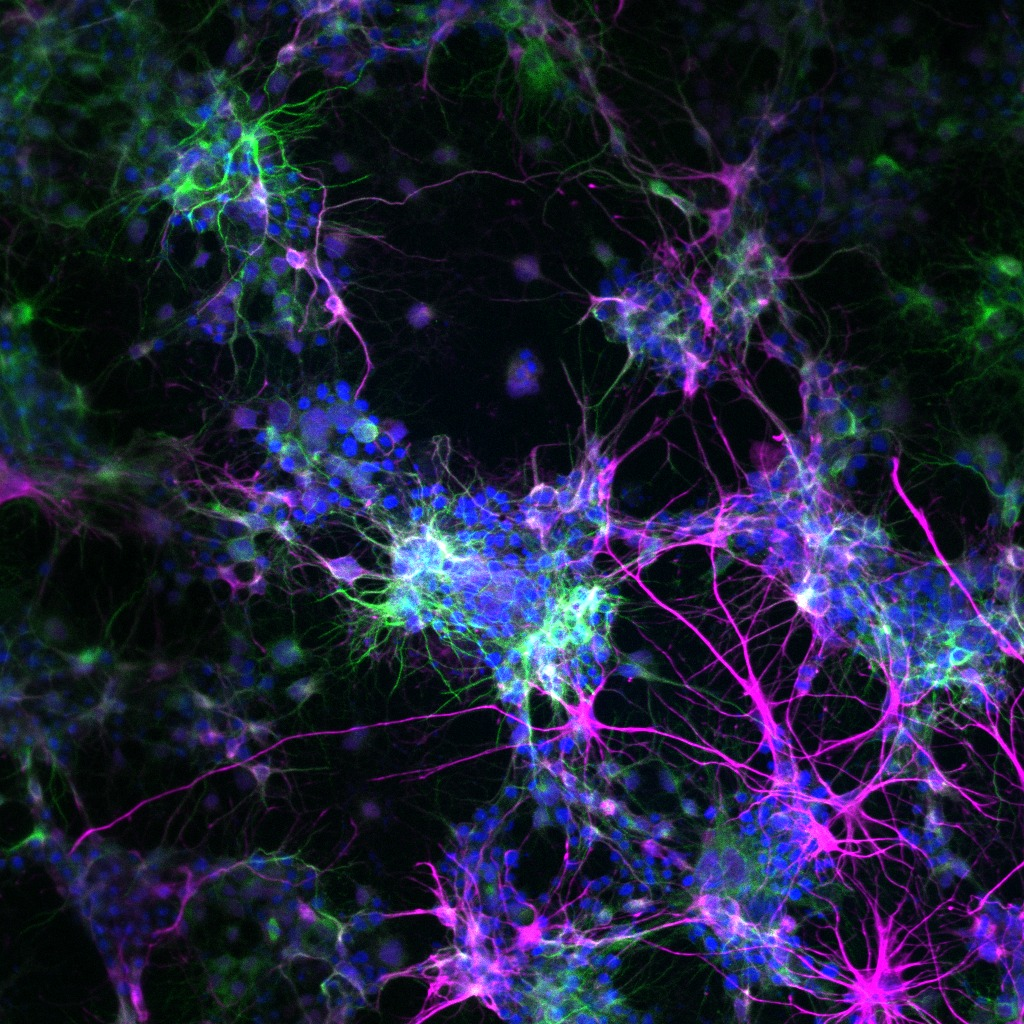
I investigate the in situ synthesis of nanoparticles and their application as functional units enabling label-free and with-label detection of analytes (providing information regarding cell viability, proliferation, pH, the presence of therapeutics, etc.), 3D imaging, and the manipulation of local cellular environments via localized production of heat or electromagnetic fields in order to model pathogenic cellular behaviors in vitro.

Relevant publications:

Microparticles Research

In situ growth on microparticles

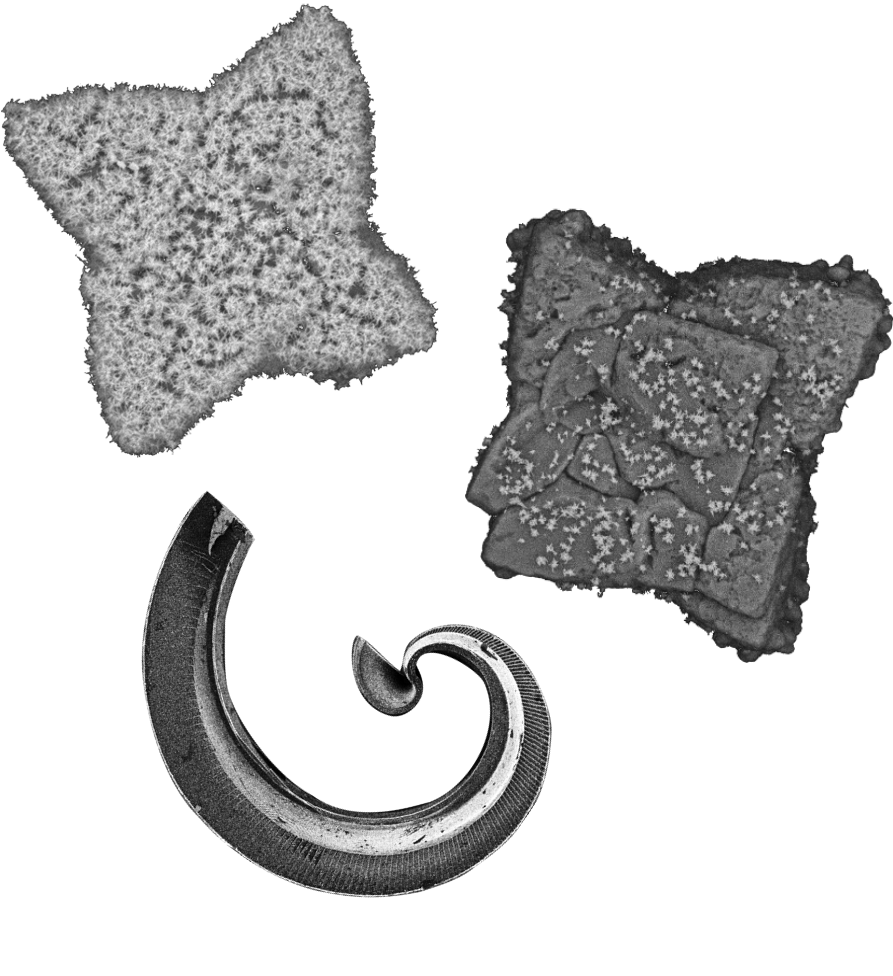
Microparticles engineered to give controlled trajectories in solution using their morphology, chemical properties/catalytic activity, and/or magnetic characteristics find applications in water purification and biology. Through collaborations with groups focused on microparticle engineering, I apply in situ growth to integrate plasmonic nanostructures on their surfaces, improving catalytic activity, enhancing the system’s response to light, and introducing SERS sensing capabilities.

Relevant publications:

Collaborators:

  • Dr. Katherine Villa (Institute of Chemical Research of Catalonia (ICIQ), Tarragona, Spain)
  • Dr. Mariana Medina-Sánchez (CIC nanoGUNE, Donostia-San Sebastián, Spain)

Collaborators

  • Prof. Clara García-Astrain (POLYMAT, Spain): Functional hydrogels for biosensing
  • Prof. Sara Bals (U Antwerp, Belgium): Advanced electron microscopy
  • Prof. Stephanie Siedlits (UT Austin, US): Stem cell models for brain cancer and central nervous system injury
  • Prof. Nora Bengoa-Vergniory (Achucarro Basque Center for Neuroscience, Spain): Stem cell models for neurodegenerative disease
  • Prof. Steven J. Jonas (UCLA, US): Nanotechnologies for intracellular delivery and gene editing
  • Prof. Leonardo Scarabelli (U Cantabria, Spain): In situ nanosynthesis
  • Prof. Naihao Chiang (U Houston, US): Scanning probe microscopy and vibrational spectroscopy
  • Prof. Katherine Villa (ICIQ, Spain): Micro/nanorobotics for environmental remediation
  • Prof. Mariana Medina-Sánchez (CIC nanoGUNE, Spain): Microrobotics for health applications